History
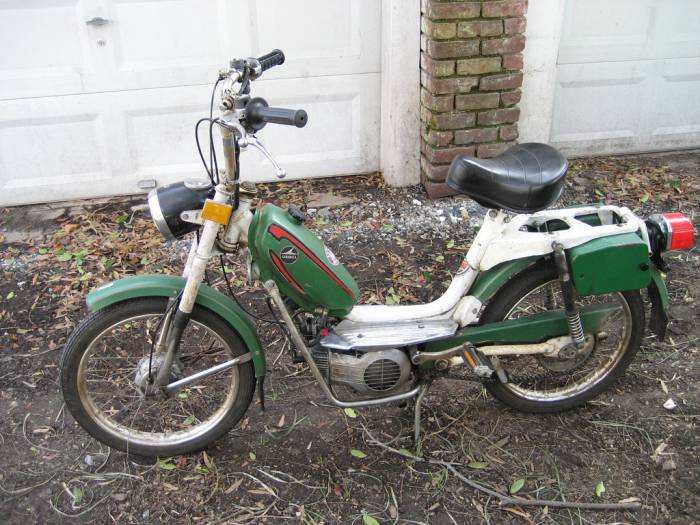
The V1 appeared in dozens of brands — General, Cimatti, Testi, Fantic, and more. One engine, infinite frame badges. Italian two-stroke tuning logic applies: premix, porting, pipe, jetting. The 85 mm connecting rod length is the reference in port-timing calculators (vs 90 mm on Puch E50).
Minarelli sold the V1 as a modular package to manufacturers who needed a proven 49cc two-stroke without designing their own case. That is why a chopper-styled Fantic and a plain commuter can share internals. US imports often arrived through department-store brands that are obscure today but plentiful on Craigslist if you know the engine.
Identify the frame brand before you order plastics. Engine parts cross freely; tanks, fenders, and cable lengths do not. A good V1 rebuild starts with compression and crank seal tests before any performance spending.
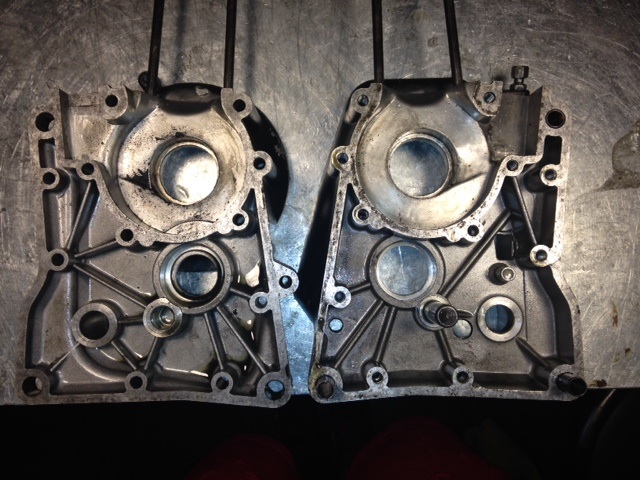
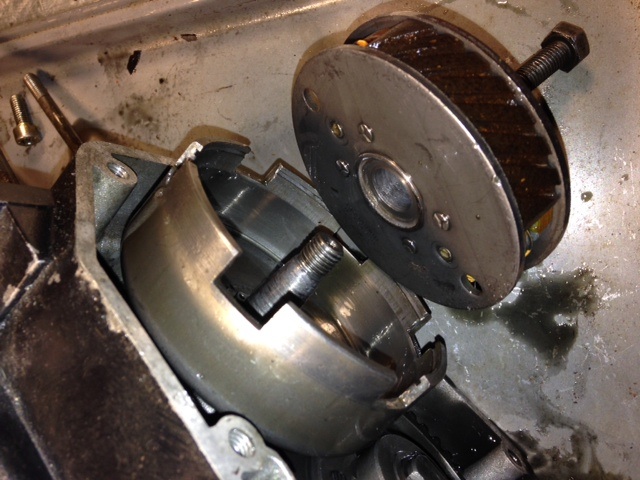
Port-timing math on a V1 uses that 85 mm rod — plug the correct number into the calculator or your exhaust timing will be wrong by a mile.
Quick specs
| Stroke | 42 mm (V1 port-inducted) |
| Rod length | 85 mm (port math reference) |
| Transmission | Single-speed centrifugal clutch (not variator) |
| Brands | General, Cimatti, Testi, … |
| Oil mix | 50:1 typical |
Buying & ownership
When shopping a used Minarelli V1, run a warm compression check against a known-good bike, confirm the engine turns freely, inspect frame rust (seat tube, down tube, dropouts), verify title and VIN match, and take a test ride for clutch grab and idle stability. Budget a carb clean, fresh plug, fuel lines, and final-drive service on any “runs good” listing.
Use the full buying guide checklist before you pay, and confirm legal class in your state via US moped laws.
Related on MopedMasters
- All 25 classic mopeds — compare platforms
- Manuals & PDFs — factory literature when available
- Guides hub — jetting, porting, maintenance
- Tuning calculators — port timing, intake, pipe, oil mix
- Maintenance hub — carb, oil, storage basics
FAQ
- Is this a moped or a scooter?
- MopedMasters focuses on pedal-capable / classic moped platforms with chain or geared drive — not modern CVT scooters. See moped vs scooter.
- Where do I start if I just bought one?
- Fresh fuel, plug, air filter, chain slack, and a careful first ride. Then work through the maintenance hub before performance parts.
- Can I use the online calculators on this bike?
- Yes for 2-stroke singles — port timing, intake length, pipe layout, and premix all apply. Start at the tools hub.
Three build paths (mild → wild) → Oil mix chart Manuals & PDFs →