It started with a simple Facebook Marketplace scroll on a hot June afternoon. A 1977 Bermuda moped — complete, mostly original, and priced to move at $225. The seller in Quakertown was friendly, the photos looked promising, and my existing Batavus HS-50 suddenly had a potential stablemate. As a Tesla Master Technician who spends his days diagnosing high-voltage systems and his free time wrenching on vintage two-strokes, the opportunity to rescue a piece of 1970s micro-mobility history was too good to pass up.
This is the full story of the acquisition run — the prep, the drive, the wrestle, the smells, and the homecoming. Documented with photos from the day. Part 1 of what I hope becomes a full restoration series.
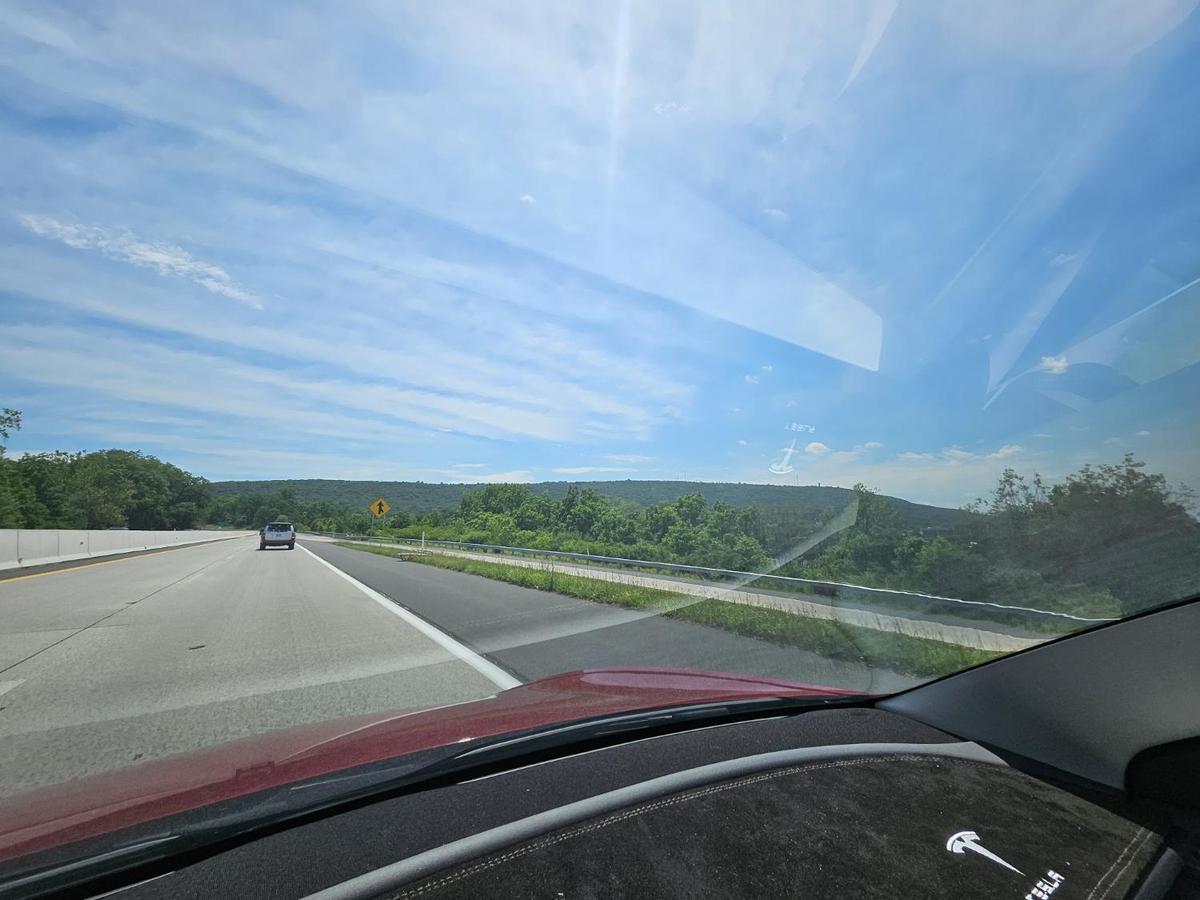
Prepping the Modern Hauler: Turning a Model 3 into a Moped Transporter
My Tesla Model 3 is usually configured for family duty — three car seats across the back for the kids, minimalist interior, and that signature quiet efficiency. Today it needed to become a 6+ foot long cargo hauler.
I removed the rear seats completely. This isn't as destructive as it sounds on a Model 3; the seats come out with a few bolts and connectors, revealing the beautifully engineered structural subframe, wiring runs, and that exposed pinkish structural metal that makes Tesla interiors so distinctive even when stripped.
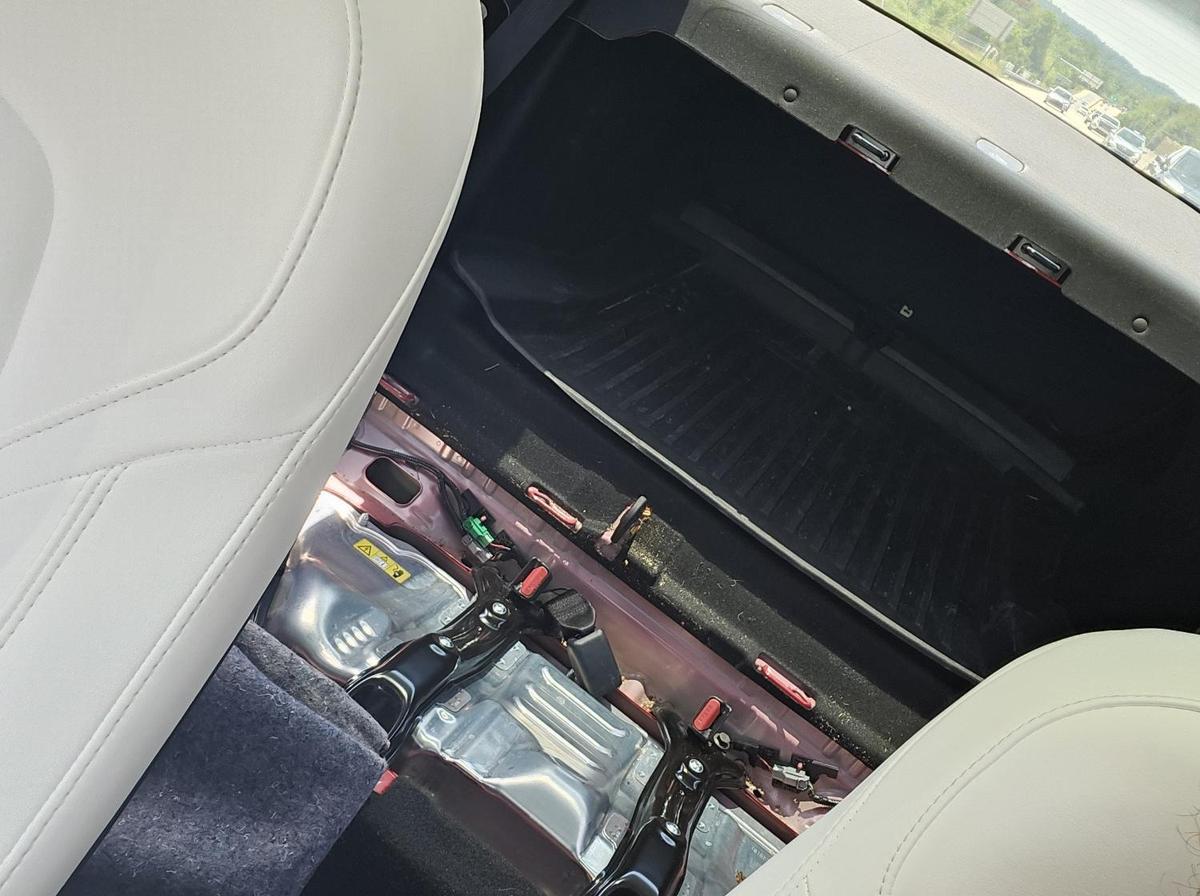
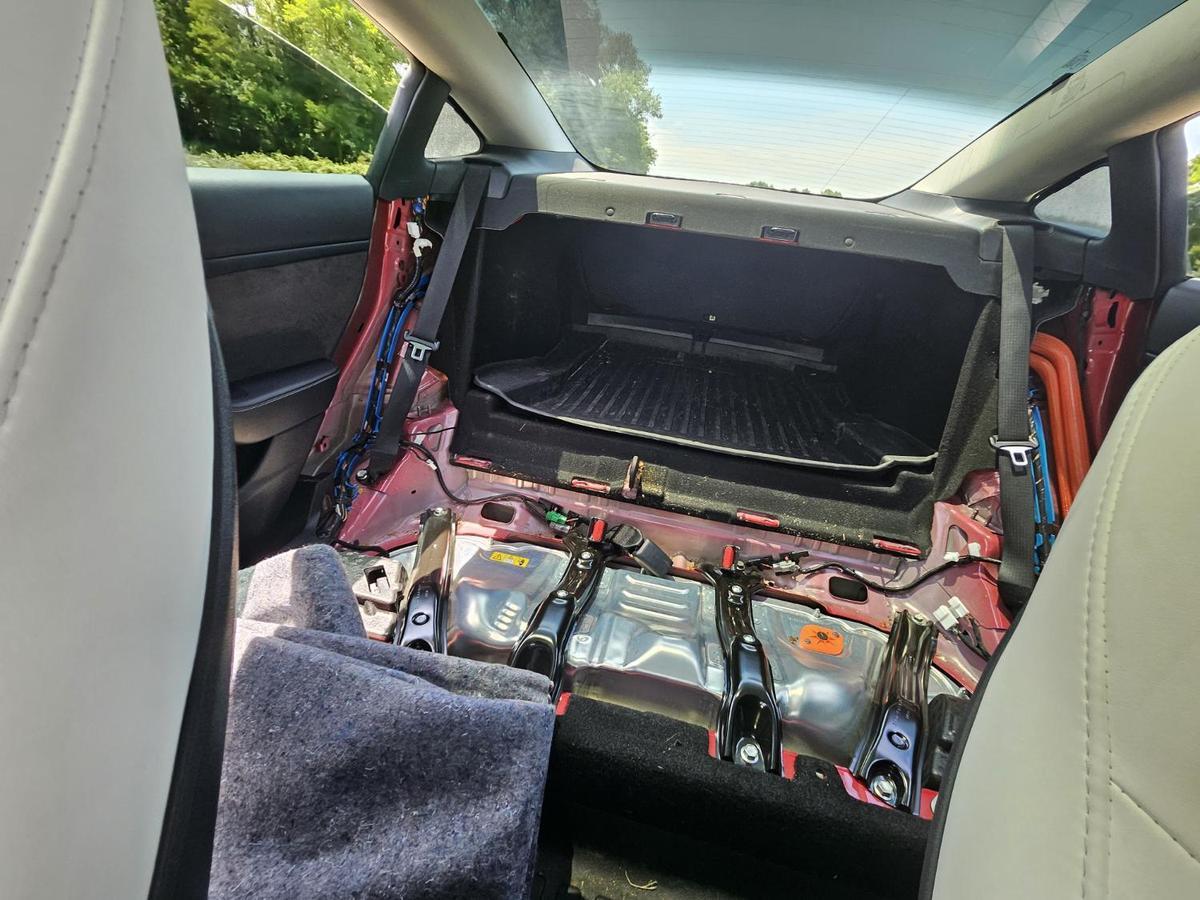
Why go through the trouble? The moped is a full-size step-through machine with a long wheelbase. Folding the seats wouldn't have given enough flat length or height clearance without risking damage to either vehicle.
The Drive to Quakertown
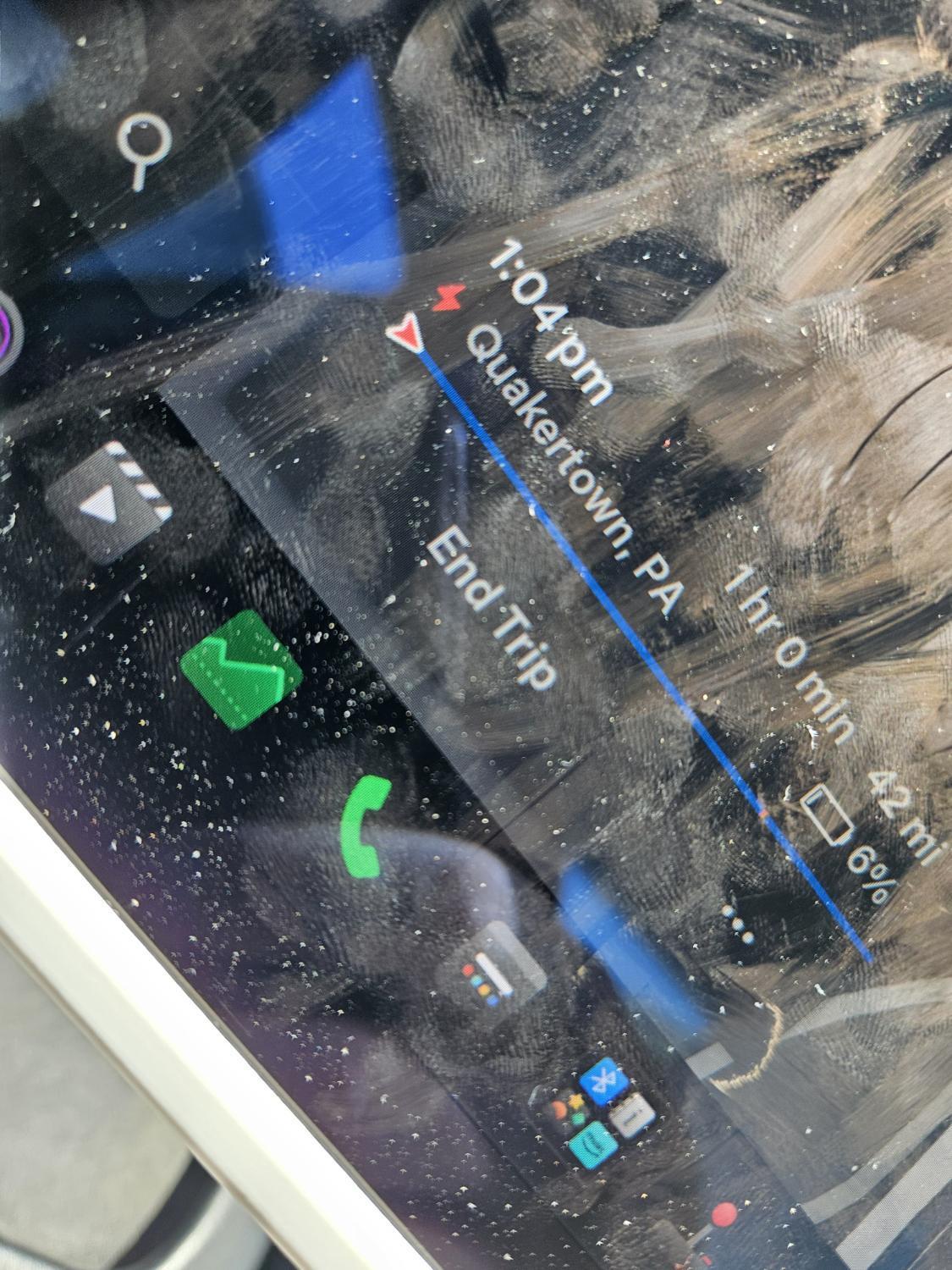
Quakertown is roughly a 1 hour 15 minute drive north. I headed out under perfect early summer skies, stopped at the Quakertown Supercharger, and topped up after arriving with a low state of charge.
The Find: A 1977 Flandria Bermuda
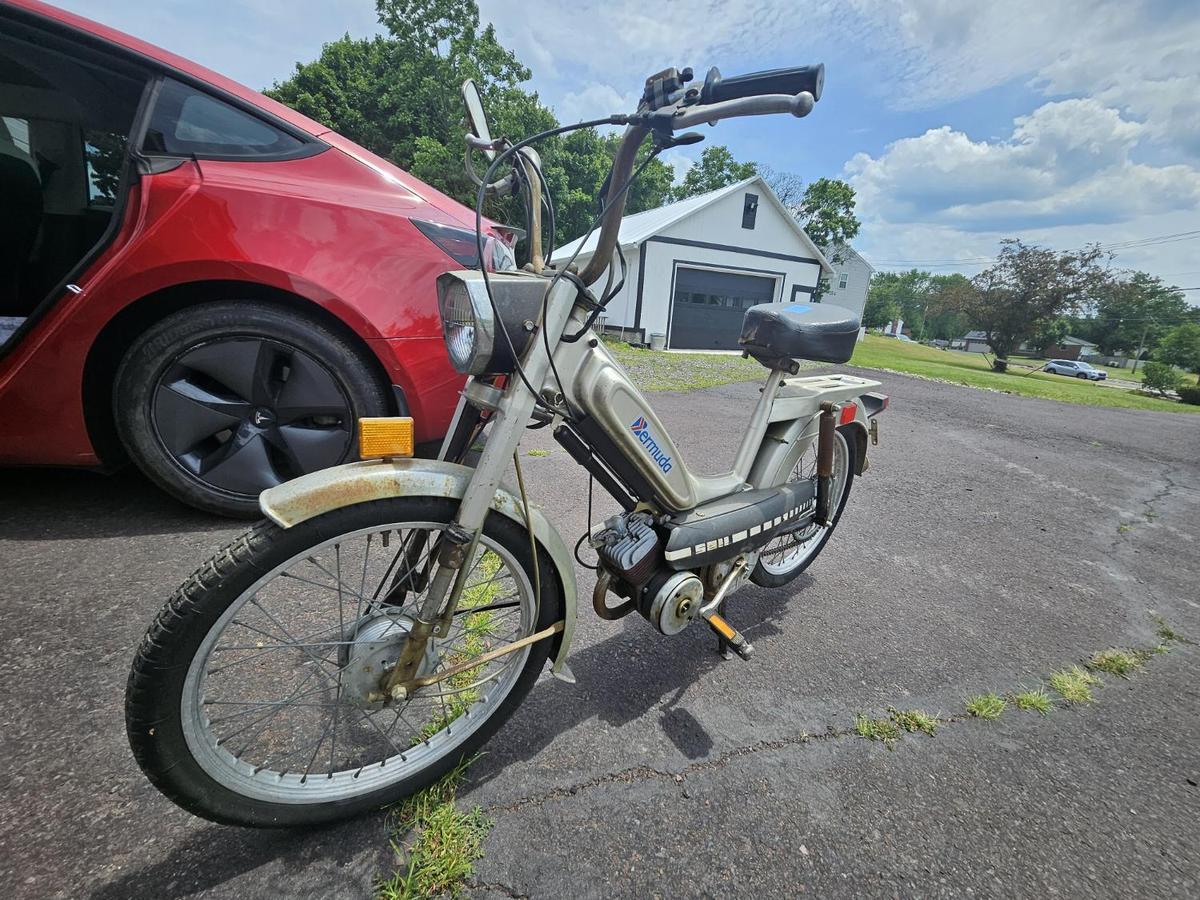
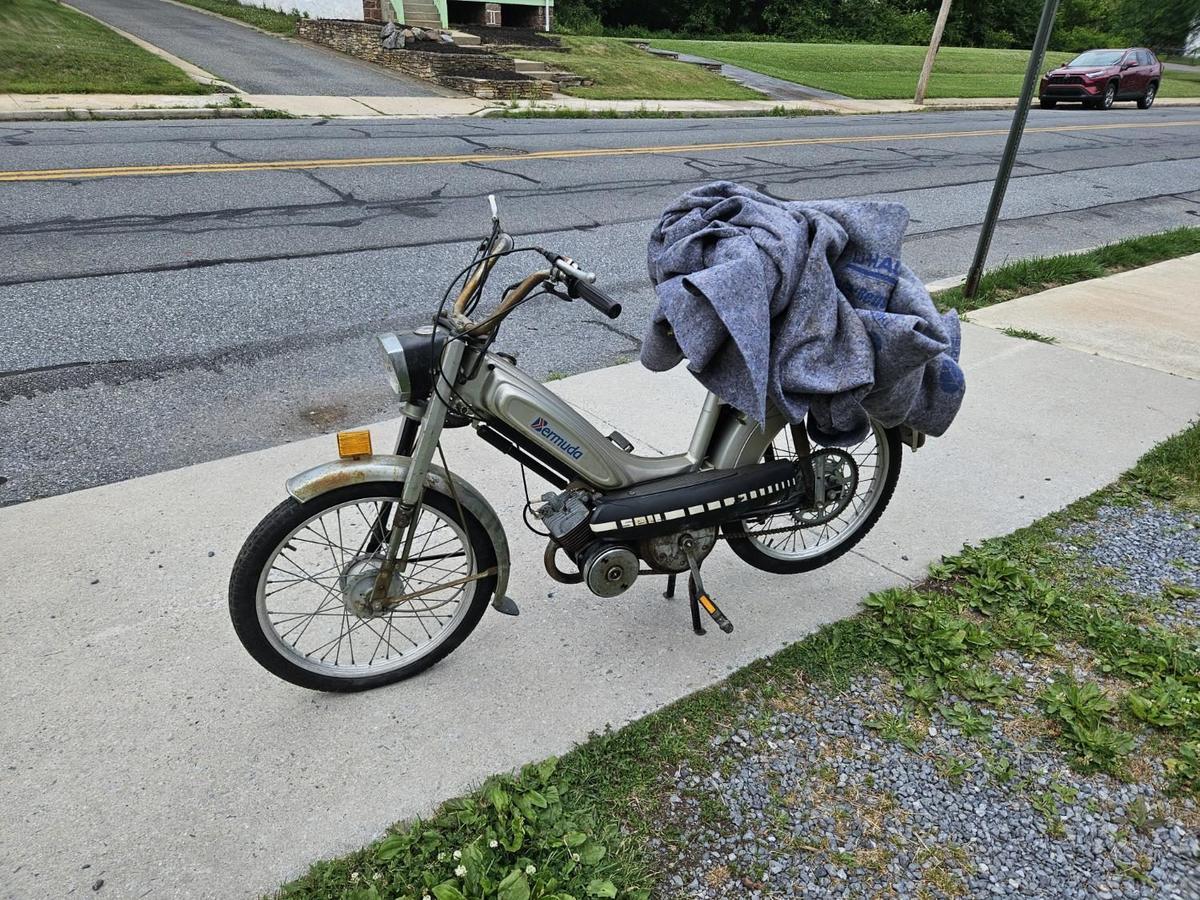
The moped was waiting when I arrived. A silver/gray 1977 model wearing classic Bermuda badging and flandria embroidery on the seat. Full step-through frame, 2-stroke single, 17-inch wheels, drum brakes, rear rack, and a frame-mounted tire pump — a charming period touch.
It was mostly complete. The fuel tank showed crustiness from decades of old premix. But the engine turned over by hand, the wheels spun, and nothing major appeared missing. The seller threw in four sturdy black milk crates. At $225, this was a no-brainer.
Quick Historical & Technical Context
These are properly called Flandria Bermuda mopeds (Bermuda was the U.S. marketing name). Imported 1976–1979 by Bermuda Bikes, Inc. during the American moped boom. Designed by Robert Starke; built in Belgium by A. Claeys Flandria.
- Engine: 49.7cc single-cylinder 2-stroke, ~1.4 hp @ 5,500 rpm
- Top speed: Designed around 25 mph
- Tank: 1 US gallon · period mix 4% oil
- Trans: Single-speed centrifugal clutch; pedals for starting
- Weight: Roughly 92–100 lbs
My example appears to be a Hamilton or Hampton variant — the most common U.S. imports. The variator/rear pulley setup is related to Peugeot designs of the era.
The Loading Challenge
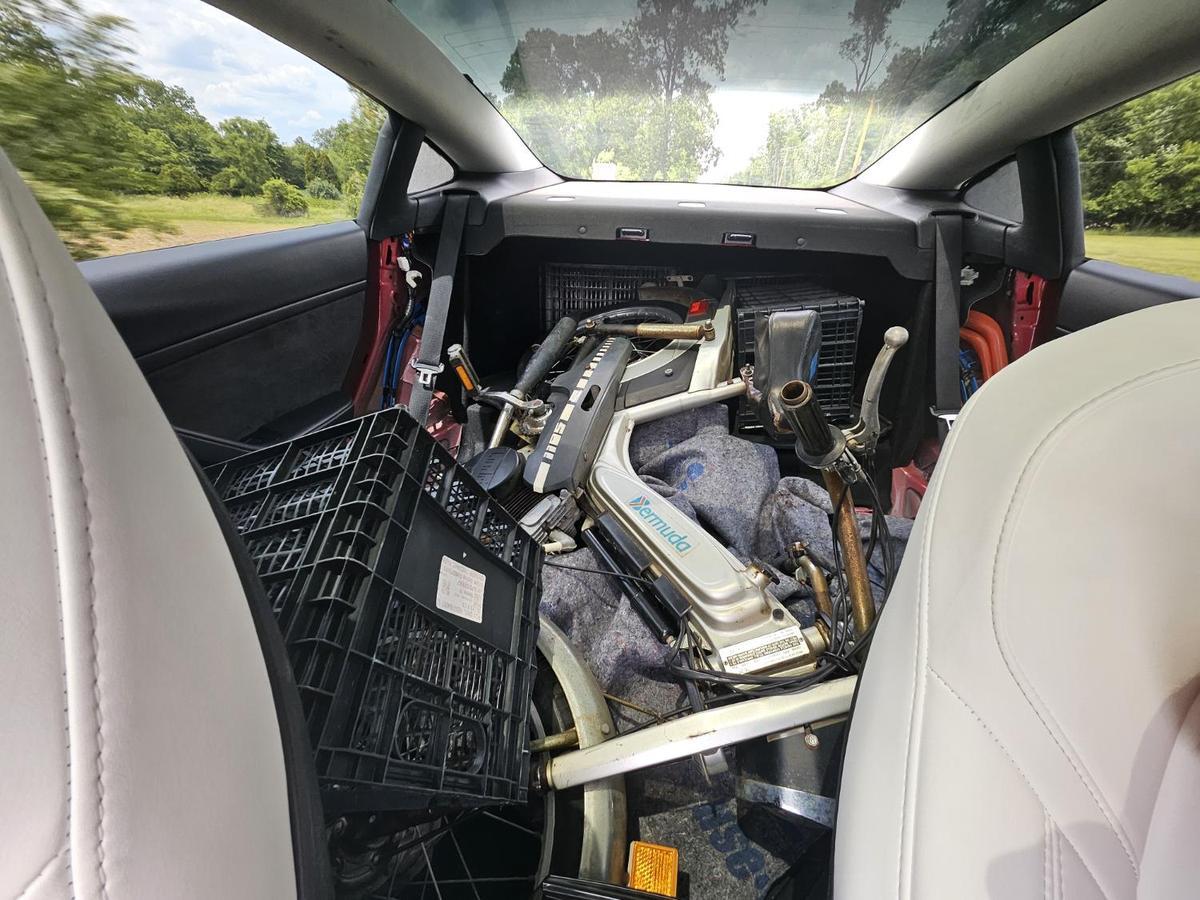
With the rear seats out, we still had to angle and wrestle the moped through the rear passenger-side door. Moving blankets first, milk crates as spacers, and that potent smell of old premixed gasoline and two-stroke oil filling the cabin.
Homecoming: New Stablemate for the Batavus
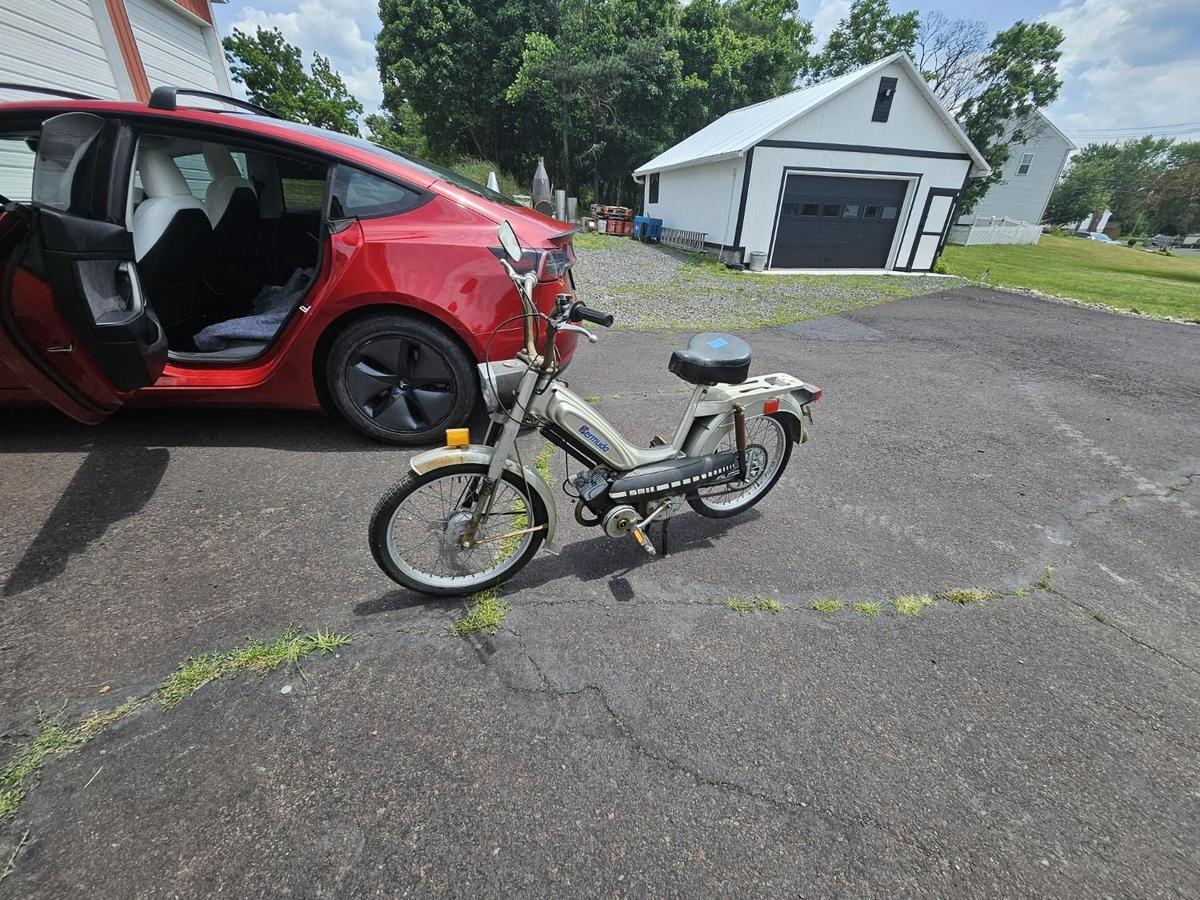
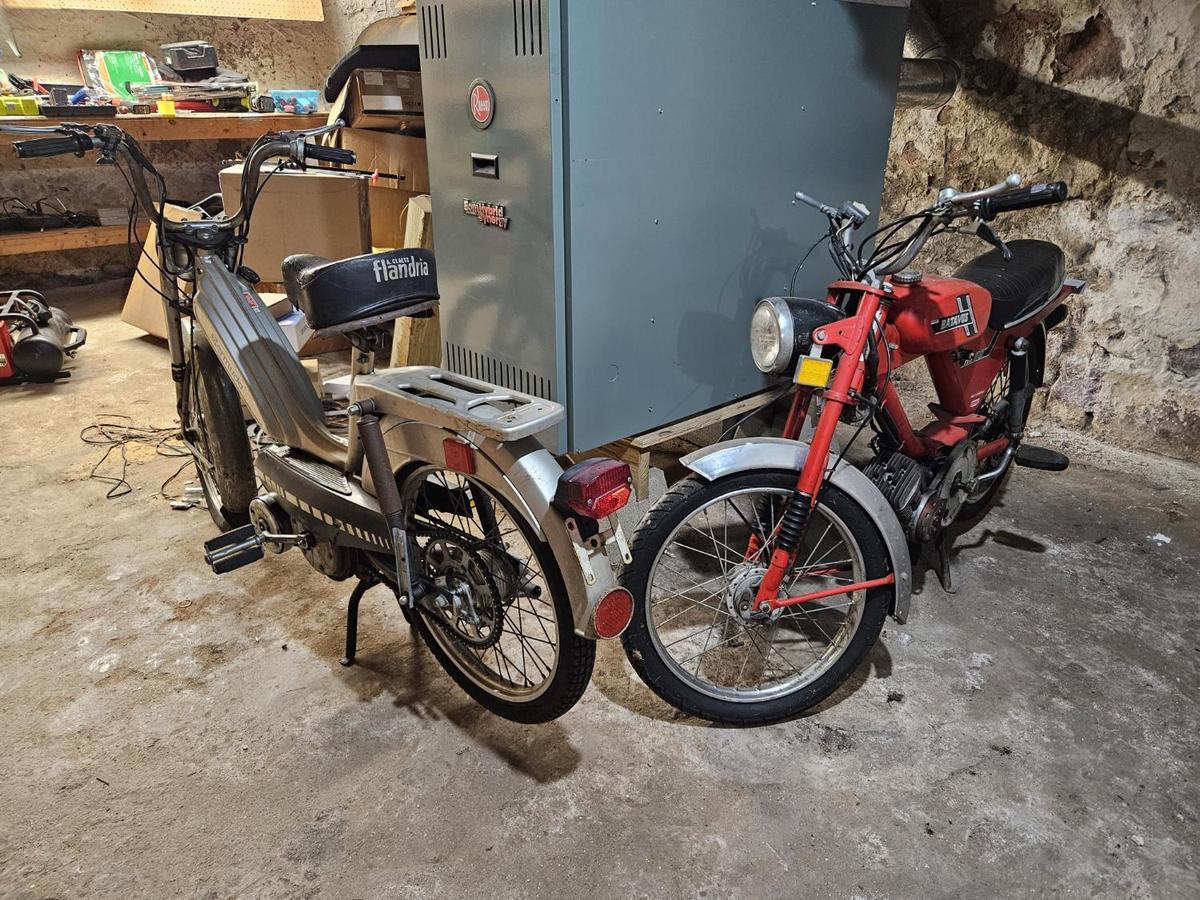
Back at home, I rolled it into the garage right next to my red Batavus HS-50 — Dutch Laura M-48 single-speed vs Belgian Flandria character.
What's Next
Inspect and disassemble.
Pennsylvania note: Machines with operable pedals and ~25 mph / 50cc limits generally qualify as mopeds — typically Class C license only, no motorcycle endorsement. Verify current PennDOT guidance before road use. See our 50-state laws table for context.
Stay Tuned
Part 2 will cover the initial teardown, fuel system rescue, and first attempts to wake the engine. Comments, tips, and parts leads welcome via contribute / report issue.